
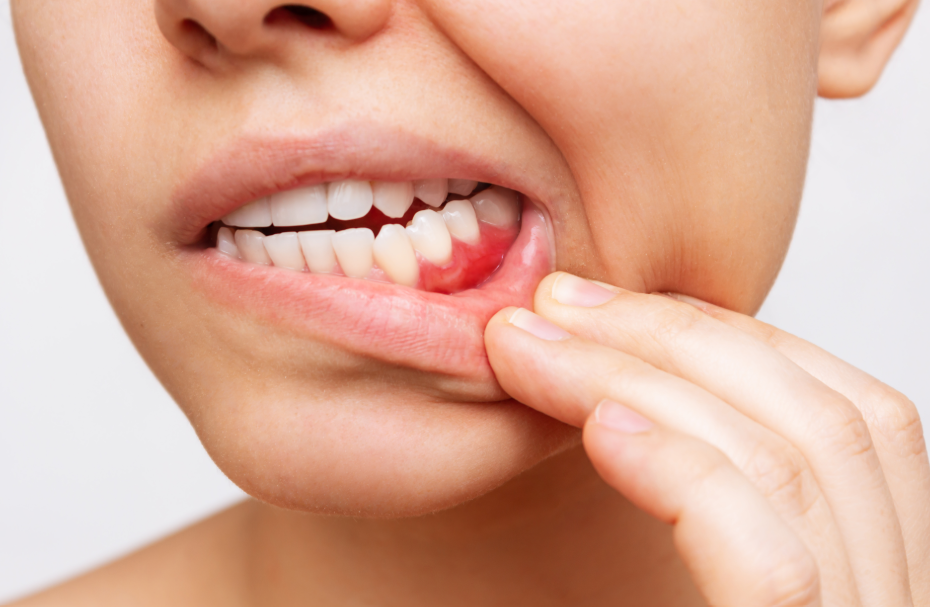
Gum disease can affect people of any age, but the risk tends to increase as we get older. In fact, adults over 60 are more likely to experience gum disease than younger adults. This doesn’t mean gum problems are an unavoidable part of getting older, though. Understanding the factors that can contribute to gum inflammation can help older adults protect their smiles.
From changes in oral health habits to certain medications and medical conditions, several factors can make healthy gums more difficult to maintain.
Why Does Gum Disease Become More Common With Age?
Gum disease develops when bacteria and plaque build up around the teeth and gums. Over time, this can cause inflammation known as gingivitis. Without treatment, gingivitis can progress to periodontitis, a more advanced form of gum disease that can damage the tissues supporting the teeth.
Aging itself doesn’t directly cause gum disease. Instead, older adults may be more likely to experience certain circumstances that increase their risk.
Medications Can Affect Your Gums
Many older adults take medications regularly to manage chronic health conditions. Some medications can contribute to dry mouth, which means there is less saliva available to help wash away food particles and bacteria.
Other medications may cause changes in the gums, such as increased gum tissue growth. If you notice changes in your mouth after starting a medication, don’t stop taking it without talking to your healthcare provider. Instead, let your dental team know about your medications so they can help you manage their effects on your oral health.
Health Conditions May Increase Your Risk
Certain health conditions become more common with age and may also affect gum health. Diabetes, for example, can increase the risk of developing gum disease, particularly when blood sugar levels aren’t well controlled.
Some medical conditions can also make it more difficult for the body to fight infection or heal properly. Keeping up with medical care and sharing relevant health information with your dental team can help you take a more complete approach to your health.
Changes in Daily Oral Care
Brushing and flossing can become more challenging as people get older. Arthritis or other physical limitations may make it difficult to grip a toothbrush, maneuver floss, or clean hard-to-reach areas.
If traditional floss is difficult to use, talk with your dental team about alternatives that may make cleaning between your teeth easier. An electric toothbrush may also be helpful for some people who have difficulty using a manual toothbrush.
Receding Gums Can Expose More of the Tooth
Gum recession can become more noticeable with age, exposing parts of the teeth that were previously protected by gum tissue. Exposed tooth roots can be more vulnerable to decay and sensitivity.
Keeping plaque under control is especially important when areas of the teeth are exposed. Regular dental visits can also help your dental team monitor changes in your gums and identify potential problems early.
How Can Older Adults Protect Their Gums?
Good daily oral hygiene is one of the best ways to protect your gums. Brush twice a day with fluoride toothpaste and clean between your teeth daily. Regular dental visits are also important because professional care can remove hardened buildup that brushing and flossing cannot.
It’s also helpful to stay hydrated, avoid tobacco products, maintain a balanced diet, and tell your dental team about any medications or changes in your health.
Healthy gums are worth protecting at every stage of life.
About the Practice
Turning Leaf Dental provides comprehensive dental care with a focus on helping patients maintain healthy, confident smiles. The practice offers gum disease therapy and other preventive and restorative services designed to support long-term oral health. Meet our team and protect the health of your smile for years to come!
Call us at (617) 536-5182 or schedule your appointment online